
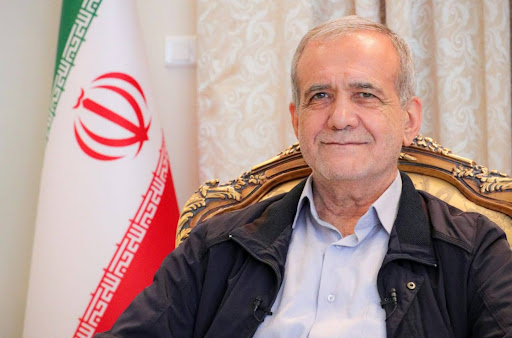
Iranian President Masoud Pezeshkian’s warning to Gulf states has reverberated across the region as the Iran-US war passes the one-month mark without any resolution. Pezeshkian’s post on X told Gulf governments that hosting US and Israeli military operations on their soil is incompatible with regional security and development. The message has put Gulf leaders on notice and injected new urgency into the diplomatic effort to end the conflict.
The war has significantly affected Gulf nations including Saudi Arabia, the UAE, Kuwait, Qatar, and Oman, which host US military installations that have been used to strike Iran. Tehran’s retaliatory strikes in these countries have created a dangerous and unprecedented situation for Gulf populations. The conflict has forced Gulf governments into a difficult diplomatic position, balancing their security alliances with the reality of Iranian military pressure.
Pezeshkian confirmed that Iran does not engage in preemptive attacks but will retaliate decisively when its economic or infrastructure assets are struck. He told Gulf governments that the only way to protect their security and development is to deny the US and Israel the ability to operate from their lands. His warning, reverberating across the Gulf, has added new pressure to an already strained regional environment.
Pakistan’s mediation has been gaining recognition and momentum. Prime Minister Shehbaz Sharif confirmed that Pezeshkian views trust as the necessary foundation for any peace talks. Pakistan’s foreign ministry has convened a significant multilateral ministerial meeting in Islamabad with the foreign ministers of Saudi Arabia, Egypt, and Turkey to discuss de-escalation strategies.
Pakistan’s Ishaq Dar will chair the talks and facilitate meetings with Prime Minister Sharif. Iran has praised Pakistan’s mediation as sincere and constructive. The Islamabad meetings represent the most coordinated diplomatic effort since the war began, and their outcome may shape the trajectory of the conflict in the weeks ahead.