
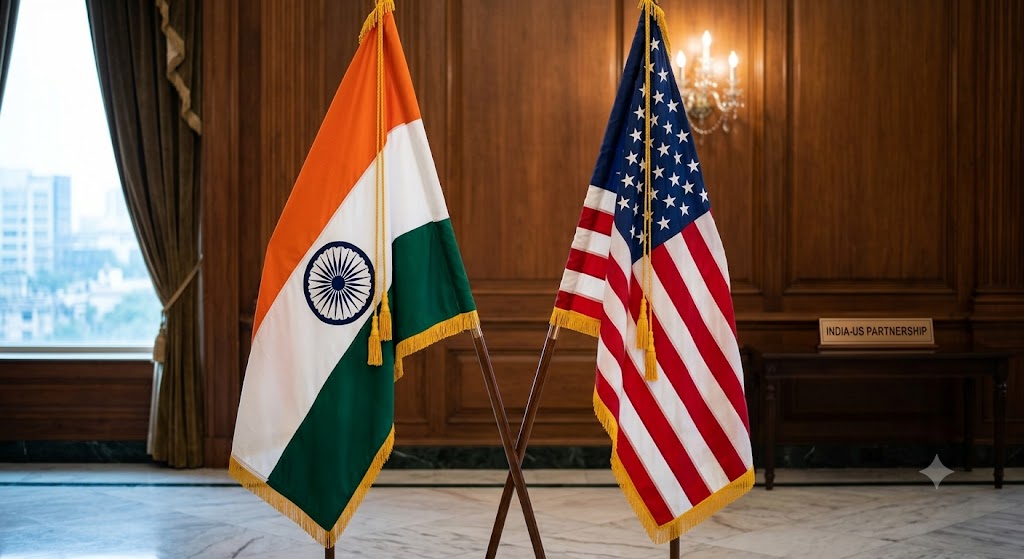
India and the United States have reinitiated talks to finalize an interim trade agreement as they work to iron out key differences ahead of an impending tariff deadline. The latest discussions have been centered on clearing the remaining hurdles to a bilateral trade deal. Optimism is running high on both sides, with officials indicating that just a few issues remain unresolved following months of negotiations.
The trade talks originally set out with the ambitious goal of boosting bilateral trade to over $500 billion by 2030. However, the journey has faced setbacks, particularly after the United States implemented new tariffs on Indian goods, significantly increasing duties on certain products. An earlier framework aimed at reducing tariffs on Indian exports was hindered by legal challenges within the United States, affecting its rollout.
As part of the proposed agreement, India would lower tariffs on select US industrial and agricultural products, while the US would reciprocate by reducing duties on Indian goods. However, sensitive sectors such as dairy, wheat, rice, and poultry have remained protected due to domestic concerns, highlighting the complexity of the negotiations.
Agriculture continues to be a major sticking point in the discussions, with the US seeking greater access for its farm exports. India, on the other hand, remains cautious, citing concerns over its local farmers and existing food regulations. This area of contention underscores the challenges both nations face in reaching a comprehensive agreement.
A successful trade agreement could not only improve bilateral trade relations but also bolster India’s position against competing exporters. Additionally, it would support the shared objective of expanding economic ties between the two countries, marking a significant step forward in their collaborative efforts.