
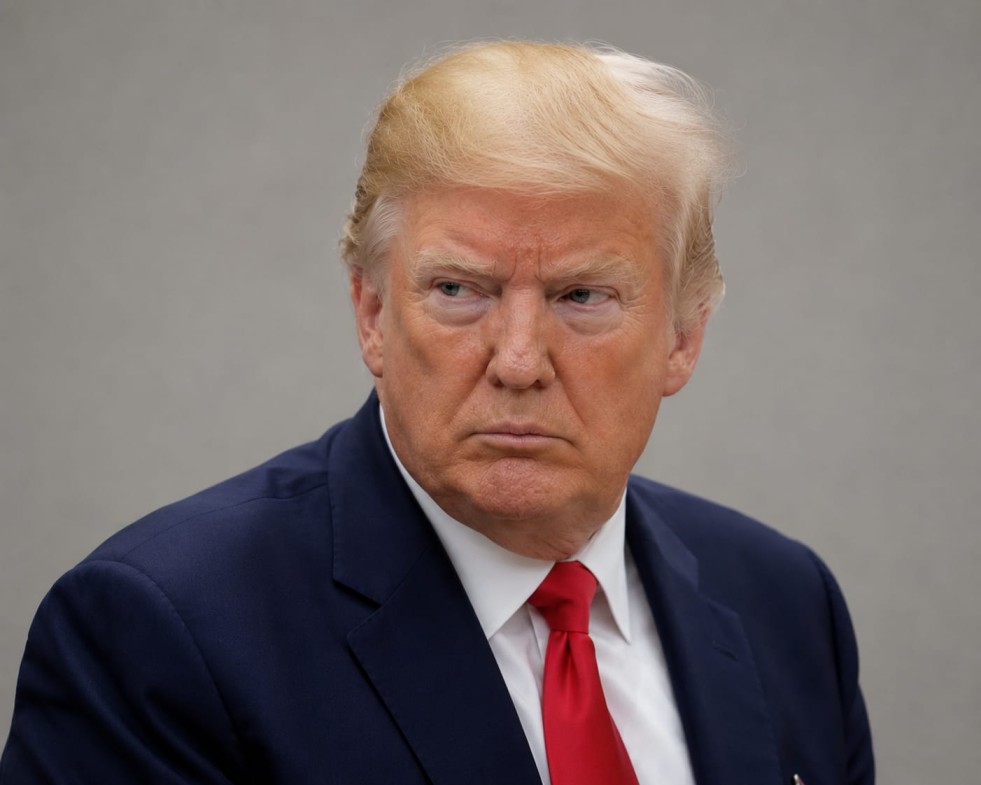
In a recent social media post, U.S. President Donald Trump expressed dissatisfaction with the current level of American support for the North Atlantic Treaty Organization (NATO), describing the alliance’s relationship as “one-sided” and lacking reciprocity. As NATO prepares for its summit in Ankara, Trump highlighted concerns over the alliance’s dynamics, particularly criticizing several NATO allies for not backing the United States during its conflict with Iran. He labeled it “ridiculous” that Washington continues to shoulder a disproportionate amount of NATO’s defense responsibilities.
Trump’s administration has consistently called on European NATO members to take on more responsibility for their own security. This stance has been reflected in several steps taken to scale back certain U.S. defense commitments in Europe. The President’s remarks underscore ongoing tensions over defense contributions and the perceived imbalance within the alliance, issues that have been a recurring theme throughout his presidency.
U.S. Secretary of State Marco Rubio acknowledged the strains within NATO, aligning with President Trump’s sentiment of dissatisfaction regarding the alliance’s response to U.S. military actions in the Middle East. Rubio indicated that these concerns would be prominently discussed at the upcoming summit, signaling the administration’s intent to address these challenges head-on with NATO partners.
The NATO summit in Ankara, scheduled for July 7–8, will bring together leaders from the alliance’s 32 member countries. The meeting will focus on enhancing defense cooperation, addressing security challenges, and reviewing future commitments among member states. As the summit approaches, Trump’s comments set the stage for a potentially contentious discussion on the direction and responsibilities of the alliance moving forward.