
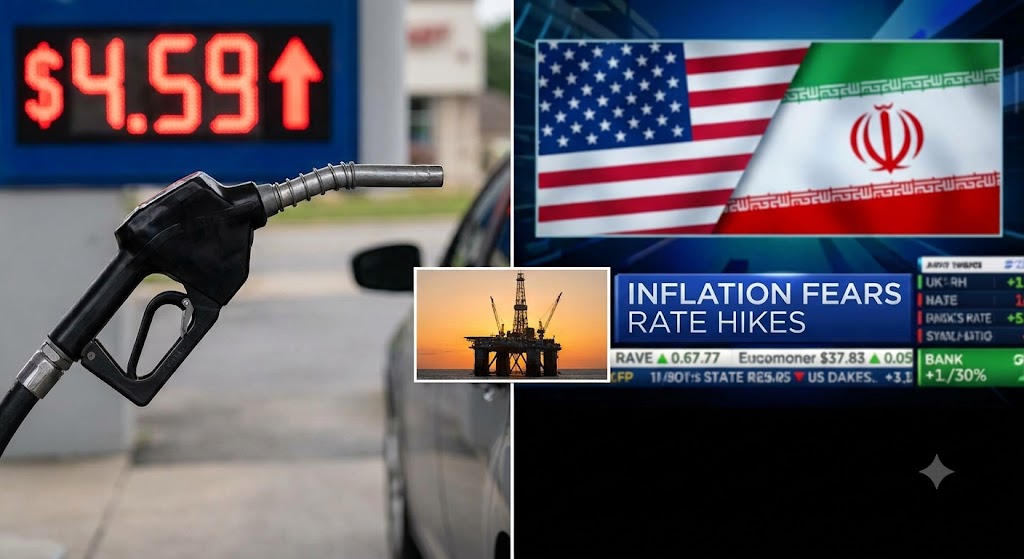
Global oil and gas prices saw an uptick following renewed military confrontations between the United States and Iran, sparking fears about energy supply disruptions and inflationary pressures. Brent crude experienced a notable rise, reaching its highest point in over a month before settling back. This adjustment came after U.S. President Donald Trump decided against moving forward with a proposal to levy a 20% fee on ships navigating the Strait of Hormuz.
The escalation in energy costs has led to increased speculation that central banks, such as the Bank of England and the European Central Bank, might consider hiking interest rates later in the year to manage inflation risks. In response, bond yields have climbed, and European stock markets initially took a hit, though they later recovered as concerns over the potential shipping levy diminished.
Analysts suggest that the ongoing tension in the Middle East is likely to maintain volatility in energy markets, with potential ramifications for global inflation and monetary policy in the foreseeable future. The region’s geopolitical uncertainties are a key factor that could influence economic strategies worldwide.
As the situation unfolds, the global economic community remains watchful, considering the possible implications for inflation and central bank policies. The dynamics in the Middle East are expected to play a crucial role in shaping the economic outlook, with energy market stability being a significant concern for policymakers and investors alike.