
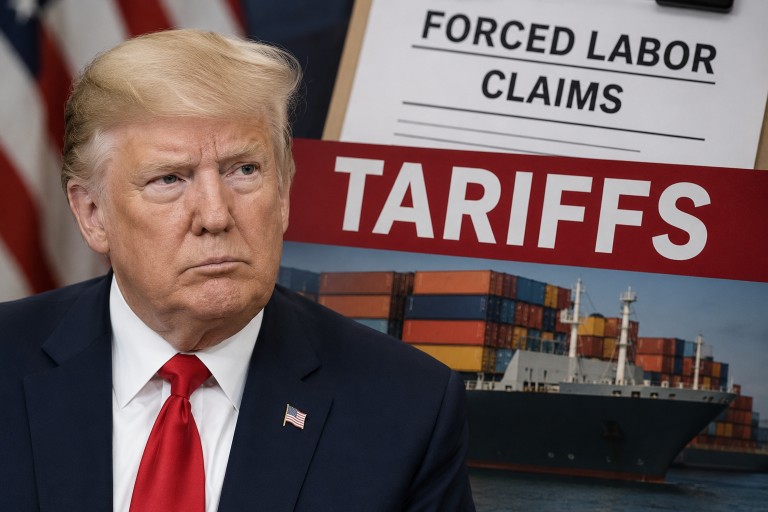
US President Donald Trump’s recent decision to implement new tariffs on imports from over 80 countries has sparked significant criticism. These tariffs, ranging from 10% to 12.5%, impact nations such as the United Kingdom, European Union members, Canada, Mexico, Australia, India, and China. Enforced under Section 301 of the Trade Act of 1974, the administration claims the tariffs address unfair trade practices, particularly the use of forced labor. US Trade Representative Jamieson Greer has defended the policy, asserting that many countries have not sufficiently blocked goods produced with forced labor from entering global markets.
However, the administration’s reasoning has been met with strong opposition from Democratic lawmakers. Representative Richard Neal contends that although forced labor is a serious issue, it should not justify a broad tariff policy. Meanwhile, Representative Linda Sánchez questions why nations with robust labor protections face the same tariff rates as those criticized for forced labor. This move follows previous Trump-era tariffs, which faced legal hurdles and were ruled by US courts as exceeding presidential authority. The administration has since adopted a different legal justification for the new tariffs, though further court challenges are anticipated by legal experts.
Critics warn that these tariffs might raise costs for American consumers. Senate Democratic leader Chuck Schumer argues that the tariffs could add financial strain to households already grappling with inflation. Representative Brendan Boyle echoes this sentiment, stating the tariffs would effectively act as an additional tax on consumers. Public opinion surveys indicate that many Americans believe tariffs have led to higher prices, though the Trump administration maintains that such policies are essential to protect American industries, manufacturing, and workers.
Reaction among Republican lawmakers has been mixed. Some support the tariffs as a measure to combat unfair trade practices, while others express concern over the potential for increased import costs to drive up prices for US consumers. This division underscores the complex debate over the administration’s trade policies and their broader economic implications.