
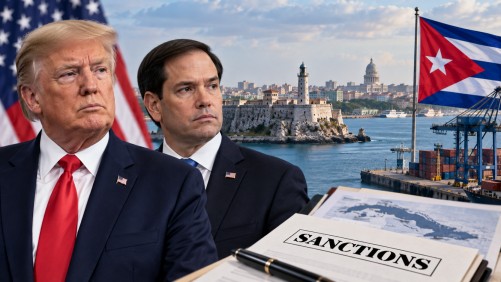
The intensification of U.S. sanctions against Cuba is reshaping economic opportunities on the island, sparking interest among American investors and businesses eager to capitalize on the potential for economic transition. As international companies retreat from Cuba, U.S. entities are poised to fill the void, particularly in sectors like mining, tourism, and real estate.
Notably, the mining industry has caught the eye of U.S. investors following the increased pressure on Canadian company Sherritt International’s Cuban operations. Competing proposals from U.S. groups are vying to acquire Sherritt’s stake in a nickel and cobalt venture. Among those interested are Ray Washburne, a businessman with ties to former President Trump, and Texas investor Albert Huddleston, who also has connections to the White House. Similarly, Antilles Gold, an Australian firm, is looking to transfer its interest in a Cuban copper-gold project to U.S.-based Global Emerging Markets due to sanctions.
The tourism and real estate sectors are also drawing attention from American business executives, including those linked to the Trump Organization, as European hotel companies scale back their Cuban presence. This shift presents new prospects for U.S. involvement in Cuba’s hospitality industry.
Additionally, the increased sanctions have unexpectedly boosted oil exports from Florida and Texas to Cuba’s private sector, as international carriers face hurdles in serving the island. Florida-based shipping companies are reportedly benefiting from these logistical challenges, further emphasizing the changing dynamics in trade with Cuba.
Lobbying efforts have intensified, with U.S.-based firms and organizations connected to Trump and Secretary of State Marco Rubio playing strategic roles in shaping Cuba’s economic landscape. These entities are advising businesses with interests in Cuba and crafting plans for investment and energy development, while also addressing issues of compensation for properties seized by the Cuban government.
Amidst these developments, Cuban-American groups are preparing for potential political changes that could pave the way for significant private investment from Cuban exiles. Investors and former officials are exploring ways to channel billions of dollars into the island’s economy, highlighting the anticipation of a possible shift in Cuba’s political and economic framework.