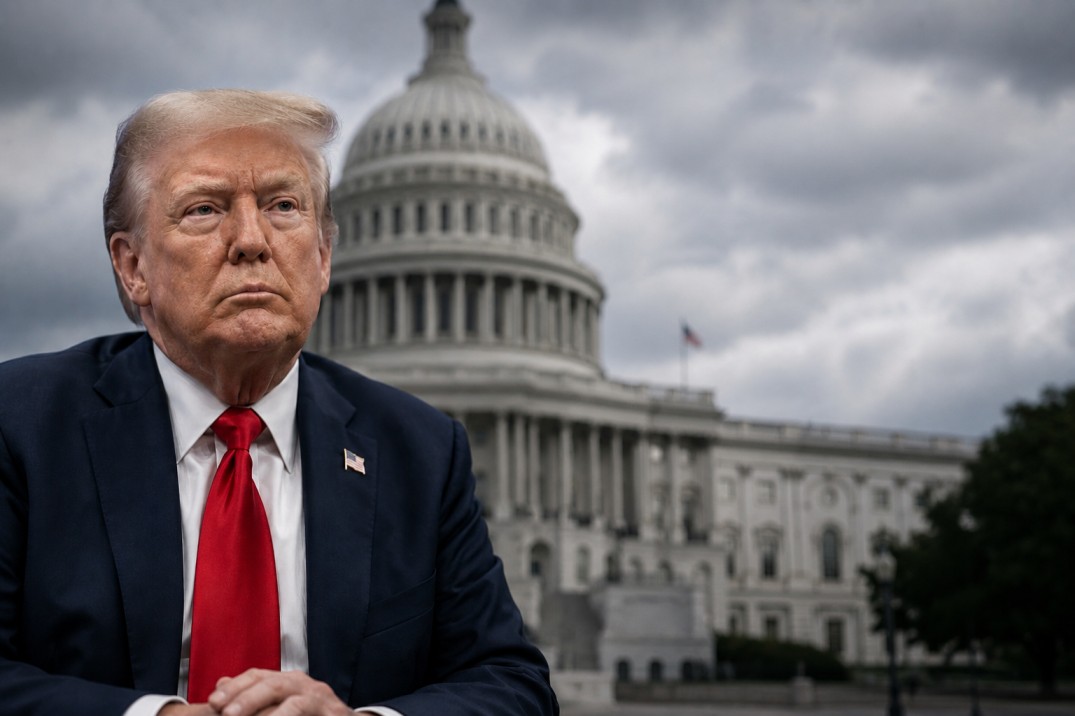
The Trump administration has intensified its scrutiny over the administration of federal elections by dispatching letters to election officials across all 50 states and Washington, D.C. These communications, issued by the U.S. Department of Justice, caution that officials could face criminal repercussions should noncitizens be permitted to register or cast votes in federal elections. The letters underscore the necessity for states to adhere to federal statutes mandating that only eligible U.S. citizens participate in federal voting processes.
The federal government’s action represents a notable escalation in its involvement in election oversight, a domain traditionally managed by state and local authorities. In these letters, state officials are prompted to detail, within a five-day period, the strategies they are implementing to maintain accurate voter registration rolls and to thwart any attempts by ineligible individuals to vote. The administration maintains that bolstered protections are essential to prevent noncitizen voting, notwithstanding the lack of evidence pointing to any significant impact from such occurrences in U.S. elections.
The initiative has drawn criticism from several state election officials who perceive the letters as unnecessary and coercive. Officials from states such as Utah and Arizona have pushed back, asserting that their current voter verification systems are robust and already in compliance with both federal and state laws, ensuring that only eligible citizens are registered to vote.
Despite the administration’s insistence on strengthening voter eligibility checks, the absence of widespread noncitizen voting incidents in U.S. electoral processes remains a point of contention. State officials argue that their existing practices sufficiently safeguard against ineligible voting, and they view the federal intervention as an overreach.