
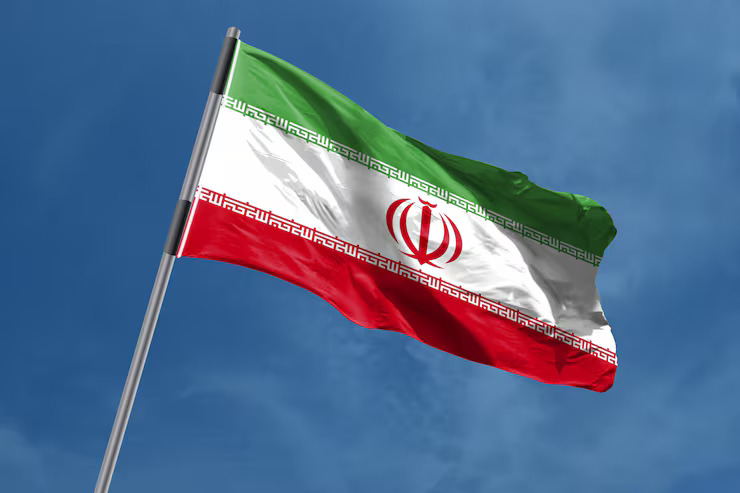
Tensions have surged once again in the Middle East following a series of military exchanges between the United States and Iran, casting doubt on the stability of the region’s fragile ceasefire. The United States military reported intercepting four Iranian drones aimed at the strategically vital Strait of Hormuz. In response to this perceived threat to regional maritime traffic, the US carried out strikes on Iranian coastal radar installations. These actions, according to US military officials, were deemed necessary to prevent further aggression.
Iran’s Revolutionary Guards retaliated with strikes against US military facilities positioned in the Gulf. This escalation prompted Kuwait and Bahrain to activate air raid alerts and increase security measures. In the wake of these developments, US officials reported that Iran launched seven ballistic missiles targeting Kuwait and Bahrain. Six of these were intercepted successfully, while the seventh failed to reach its intended destination. The US military assured that there were no casualties among American forces and refuted Iranian claims of damage to a significant US naval base in Bahrain.
This latest military confrontation unfolds amid ongoing diplomatic efforts aimed at preserving and extending the existing ceasefire agreement, as talks over Iran’s nuclear program persist. Despite sustained diplomatic engagement, both sides remain at odds over key issues, hindering hopes for a more comprehensive, long-term resolution.
In a statement, US President Donald Trump noted progress in discussions with Iran but conceded that achieving a deal remains challenging. He acknowledged that Iran continues to maintain a portion of its missile and drone capabilities, despite the prolonged conflict.
Complicating the situation further, tensions have escalated in Lebanon, where renewed clashes between Israeli forces and armed groups have introduced additional uncertainty into regional peace efforts. The ongoing violence in Lebanon poses a significant obstacle to securing a broader and lasting ceasefire across the Middle East.