
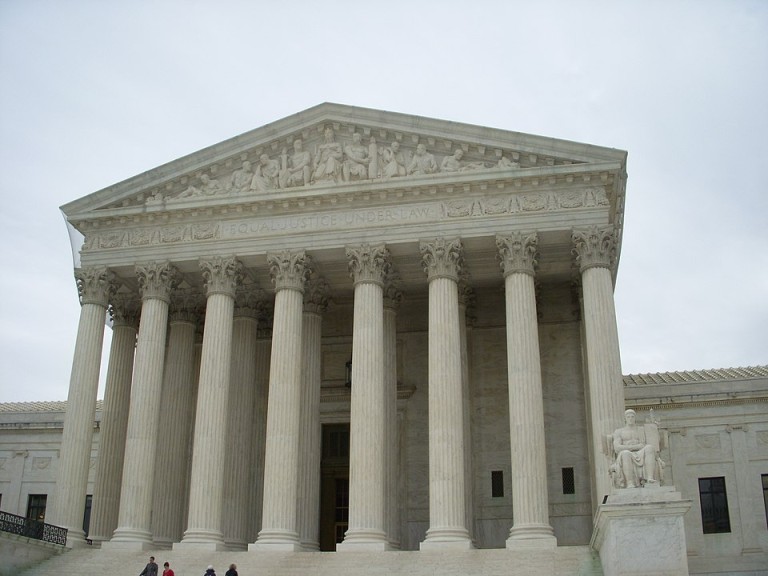
In a landmark decision, the US Supreme Court has affirmed the Federal Communications Commission’s (FCC) authority to levy financial penalties through its internal processes. The court’s 8-1 ruling dismissed the arguments presented by telecommunications giants AT&T and Verizon, which claimed that the FCC’s enforcement procedures infringed upon their constitutional right to a jury trial. Chief Justice John Roberts authored the majority opinion, with Justice Clarence Thomas dissenting.
The case originated from penalties imposed by the FCC on major wireless carriers, including fines of approximately $57 million for AT&T and nearly $47 million for Verizon. These penalties were related to allegations that the companies permitted third-party access to customer location data without securing the proper user consent. Other carriers were also penalized for similar data privacy breaches, highlighting the FCC’s rigorous stance on protecting consumer information.
AT&T and Verizon contended that the FCC’s in-house enforcement mechanism denied them the opportunity for a jury to decide their cases. However, the Supreme Court’s decision clarified that the FCC’s administrative process does not obstruct companies from contesting penalties in federal court at a later stage. This decision solidifies the FCC’s capacity to conduct administrative proceedings to determine and enforce penalties, marking a crucial affirmation of the agency’s regulatory powers.
The ruling represents a notable triumph for the federal government in its efforts to uphold the authority of regulatory agencies. By reinforcing the FCC’s ability to manage its enforcement responsibilities internally, the Supreme Court has underscored the importance of regulatory oversight in safeguarding consumer rights and ensuring compliance within the telecommunications industry.