
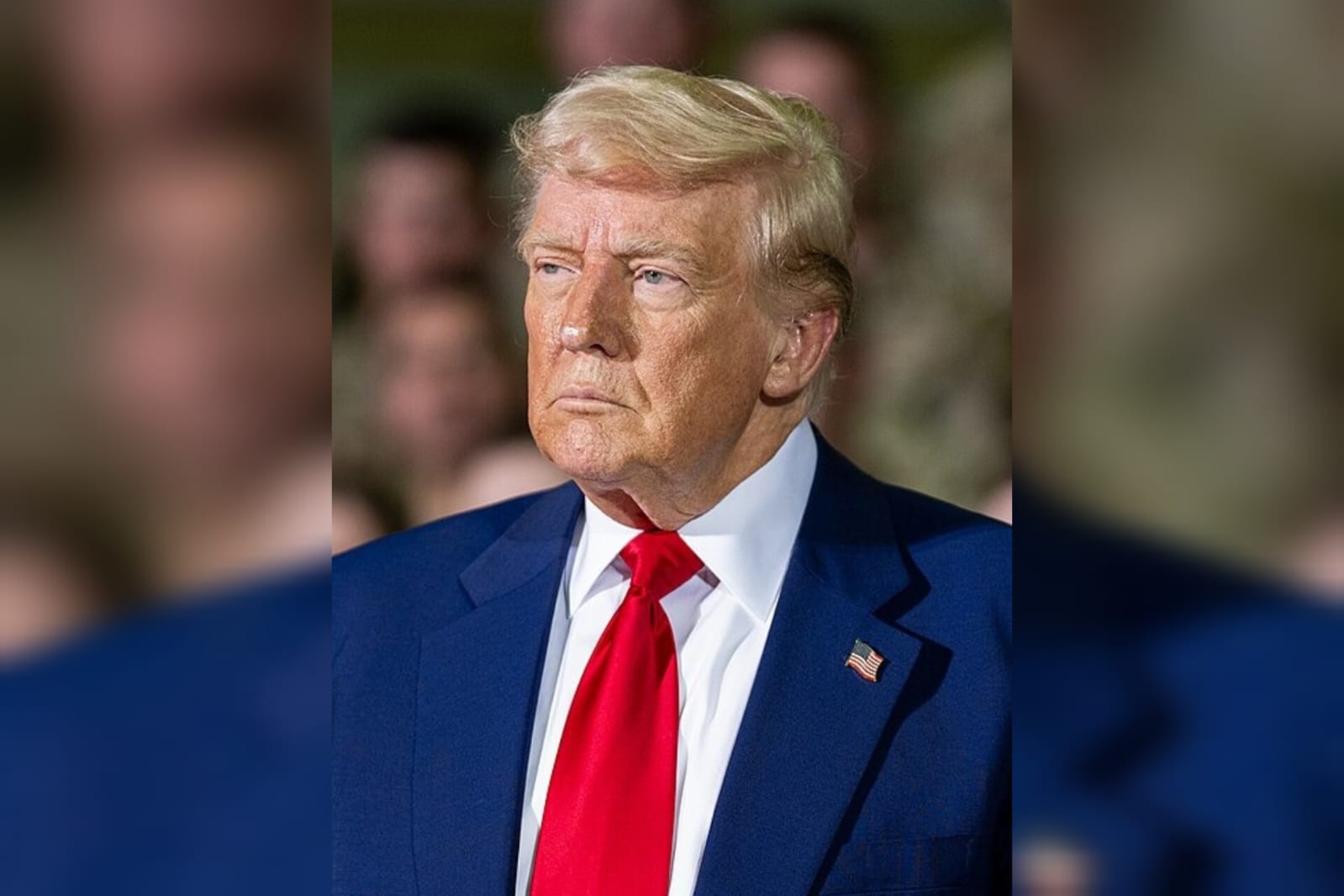
The recent memorandum of understanding signed between U.S. President Donald Trump and Iran has sparked a spectrum of reactions worldwide. While some leaders have lauded it as a diplomatic achievement that may ease regional tensions, critics express concern that it offers Tehran substantial concessions without securing solid commitments regarding its nuclear intentions. The agreement, seen as a potential path to reopening the Strait of Hormuz and renewing diplomatic talks, has been praised by Pakistan’s Prime Minister Shehbaz Sharif. He commended the role of diplomacy, emphasizing the deal’s potential to foster negotiations between Washington and Tehran.
Leaders from the G7 have also expressed approval, describing the agreement as a crucial opportunity to prevent Iran from advancing its nuclear weapons program. They believe this could contribute to stabilizing global energy markets. The terms of the agreement involve Iran reopening the strategically important Strait of Hormuz, while the United States, in turn, will lift certain sanctions affecting Iranian oil exports, petroleum products, and associated banking services. Over the next 60 days, both nations are expected to engage in discussions concerning Iran’s nuclear program and its stockpile of highly enriched uranium.
However, the agreement has not been without its detractors, particularly in Israel. Political leaders and former officials there have voiced strong criticism, arguing that reducing economic pressure on Iran might empower it without ensuring strict limitations on its nuclear activities. Some opposition figures have accused the Israeli government of being excluded from the negotiation process, raising security concerns for Israel. Analysts have also cautioned that the deal could present new security challenges for the nation.
In the United States, the reactions have been varied. While some Republican lawmakers have shown cautious support for the diplomatic effort, noting the reopening of the Strait of Hormuz and a reduction in hostilities as beneficial developments, others remain skeptical. Several Democratic leaders criticize the agreement for providing Iran with economic advantages while securing only vague commitments on its nuclear agenda. Nonetheless, President Trump hailed the deal as a significant triumph for the U.S., whereas Iranian officials framed it as a validation of their negotiating tactics.