
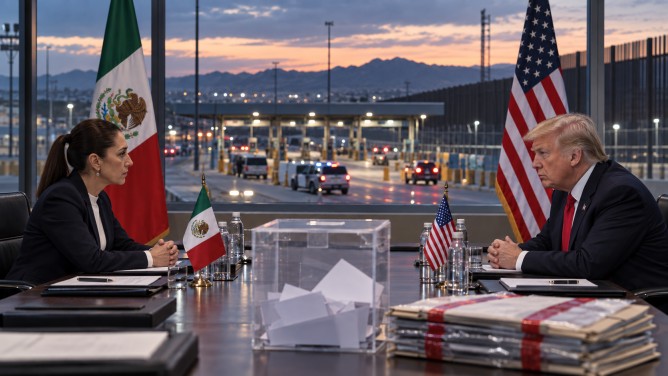
The escalating tension between Mexico and the United States over drug trafficking and corruption could have significant political and diplomatic consequences, as both nations are on the cusp of pivotal elections. The Trump administration has intensified its criticism of Mexico, accusing it of failing to curb illegal drug flows and prosecute officials with alleged ties to organized crime. This has become a contentious issue in the lead-up to the U.S. midterm elections.
In response, Mexican President Claudia Sheinbaum has strongly defended her country’s efforts against organized crime and corruption, while rebuffing what she perceives as undue interference from the U.S. Sheinbaum’s administration is urging Washington to bolster its own efforts against drug distribution, money laundering, and the illegal export of firearms to Mexico. The clash over these issues is not only straining diplomatic relations but also influencing domestic political narratives in both countries.
The dispute has been further inflamed by recent U.S. legal actions targeting Mexican officials accused of having links to organized crime, as well as the revocation of visas for several Mexican politicians. Sheinbaum has questioned whether these actions are politically motivated, suggesting they may be intended to influence electoral outcomes in Mexico and the United States.
Domestically, the Mexican government has been proactive in tackling suspected criminal networks and is urging the ruling Morena party to implement stricter background checks and financial disclosure requirements for political candidates. This move comes as opposition groups in Mexico seize on allegations of “narco-politics” to challenge Morena ahead of the country’s 2027 elections.
The ongoing dispute, characterized by mutual accusations and legal maneuvers, underscores the complex interplay of politics, crime, and diplomacy between Mexico and the United States. As both nations edge closer to key electoral contests, the ramifications of this discord are likely to resonate on both sides of the border, shaping political strategies and public perceptions in the months to come.