
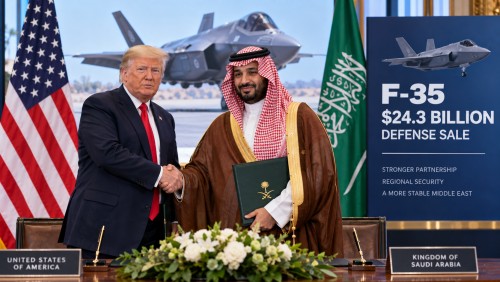
The proposed $24.3 billion sale of 48 F-35 stealth fighter jets to Saudi Arabia is set to enhance the kingdom’s air defense capabilities, offering them a stronger deterrent against regional threats and fostering closer military ties with the United States. This development, announced by the US State Department, underscores Washington’s commitment to bolstering Saudi Arabia’s defense infrastructure amid ongoing regional tensions.
This significant arms deal, however, is still pending approval from the US Congress, where it is likely to face rigorous examination. Concerns are expected to arise regarding the safeguarding of sensitive US military technologies, especially in light of Saudi Arabia’s increasing diplomatic and economic engagements with China. The deal also highlights ongoing debates about the US’s role in maintaining the military balance in the Middle East, particularly regarding Israel’s strategic advantage.
Saudi Arabia has long pursued the acquisition of the F-35 jets, a move that has previously drawn objections from Israel. As the sole Middle Eastern nation operating these advanced fighter jets, Israel has expressed concerns about preserving its qualitative military edge. The US has reassured that this sale aligns with its policy of ensuring Israel’s military superiority over potential adversaries in the region.
This proposed fighter jet sale is part of a broader pattern of US arms deals with Saudi Arabia, which have included the sale of bombs, tank engines, and advanced rocket system precision equipment. These transactions reflect a sustained military partnership despite the geopolitical complexities and strategic challenges involved.
As the deal awaits Congressional scrutiny, it represents a critical juncture in US-Saudi defense relations and poses significant implications for regional security dynamics. The outcome of this legislative review will likely influence the trajectory of future arms agreements and the broader strategic landscape of the Middle East.